


Turkish authorities have detained 566 people and are still seeking 95 others in a nationwide crackdown on social media posts following last week’s school attacks in the southeastern provinces of Şanlıurfa and Kahramanmaraş, with 68 of those detained arrested, according to a statement from the Turkish presidency’s Directorate of Communications.
The statement said prosecutors in 72 provinces launched investigations into 661 account holders over posts that authorities said violated a publication ban, spread fear and panic, undermined official statements, disseminated misleading information and praised crime or encouraged criminal acts.
Of the 566 people detained so far, 68 were arrested pending trial, 127 were released under judicial supervision, five minors were placed under measures under the Child Protection Law and 117 were released and handed over to their families, the statement said.
Authorities said 249 suspects remained in custody, while efforts were continuing to locate or identify 95 others.
The Directorate of Communications said access had also been blocked to 1,104 social media accounts.
Among the 661 account holders under investigation, authorities said 389 were accused of targeting 275 schools by suggesting attacks would be carried out there.
The investigations are being coordinated by chief public prosecutor’s offices in 72 provinces, while the broader process is being followed by 171 chief public prosecutor’s offices across all 81 provinces, according to the statement.
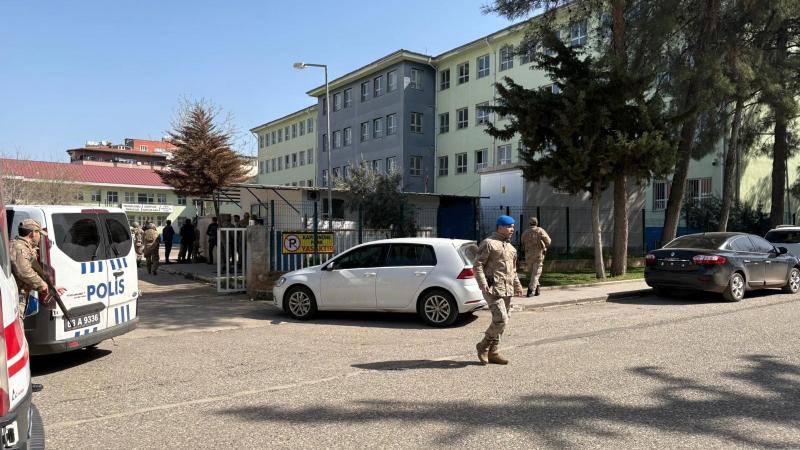
The crackdown followed two school attacks that shook the country last week.
On April 14, a former student opened fire at a school in Siverek, a district in Şanlıurfa, injuring 16 people before killing himself as police tried to apprehend him.
A day later, a 14-year-old student opened fire at a middle school in the Onikişubat district of Kahramanmaraş, killing nine people and wounding 12 others before dying from blood loss after being stabbed in the leg by a parent who intervened to stop the attack.
The attacks triggered fear across the country and were followed by a wave of online posts, including threats and claims of copycat attacks, prompting detentions nationwide.