

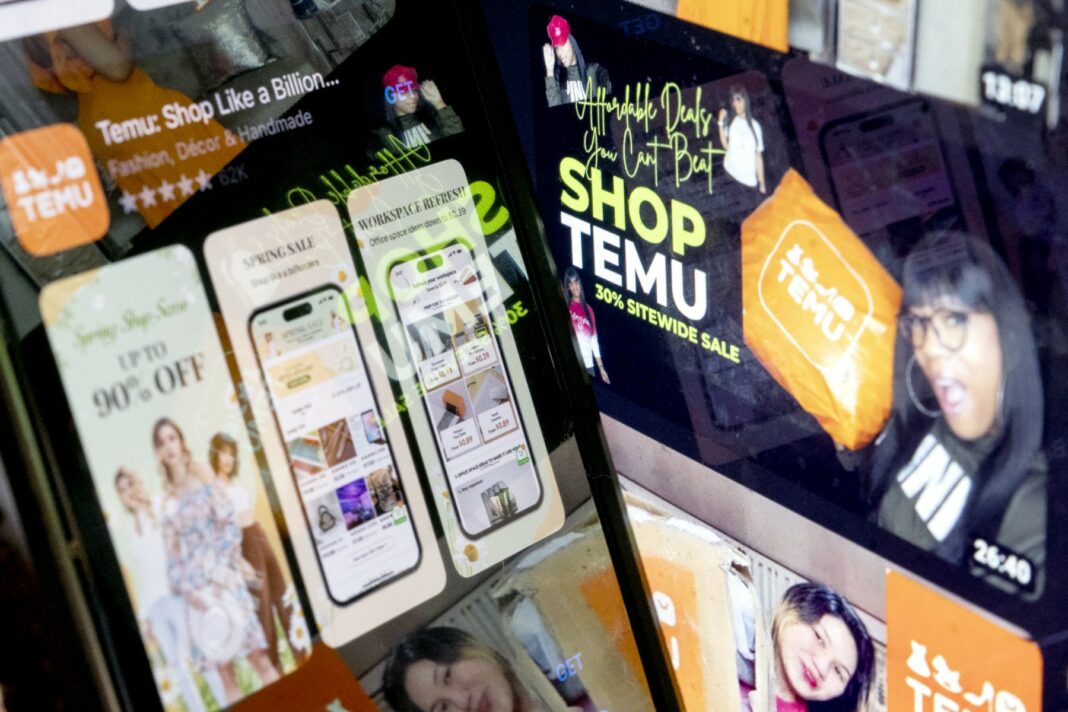

Chinese e-commerce platform Temu has registered a local subsidiary in Turkey under the name WhaleCo, according to Turkish media reports that say the move is meant to adapt to new customs rules that disrupted overseas deliveries.
The İstanbul-based company reportedly acts as the importer for products ordered through the platform, with customs procedures handled under WhaleCo’s name rather than those of individual buyers, which would avoid personal import quota limits and reduce clearance delays after Turkey ended its simplified system for low-value overseas e-commerce orders.
Users pay applicable taxes at the point of purchase. The platform has reportedly introduced a minimum order value of 580 Turkish lira ($13), and product variety remains limited for now, though it is expected to expand, according to the Ekonomim news website.
Temu has not issued a formal statement on the reports.
The move follows regulatory steps that disrupted Temu’s operations in Turkey. A presidential decision published in Turkey’s Official Gazette on January 7 removed a provision tied to simplified customs treatment for certain non-commercial parcels, with implementation in early February, requiring overseas e-commerce purchases to go through standard customs procedures.
Temu had halted overseas orders for users in Turkey shortly before the regulation took effect, limiting sales to products shipped from local warehouses.
Temu is owned by PDD Holdings, a Chinese e-commerce company that also operates the Pinduoduo platform in China.
Business groups in Turkey have long argued that simplified customs exemptions encouraged what they describe as de facto commercial imports under the guise of personal shopping. İstanbul Chamber of Commerce Chairman Şekib Avdagiç said in October that China was seeking to expand direct-to-consumer sales to 35 to 40 percent of its total exports over the next 15 to 20 years, posing a growing threat to countries like Turkey.
The Trade Ministry has said laboratory tests on products from cross-border e-commerce platforms found that 81 percent of 182 items examined did not meet safety standards, with some found to contain substances including phthalates and heavy metals.