

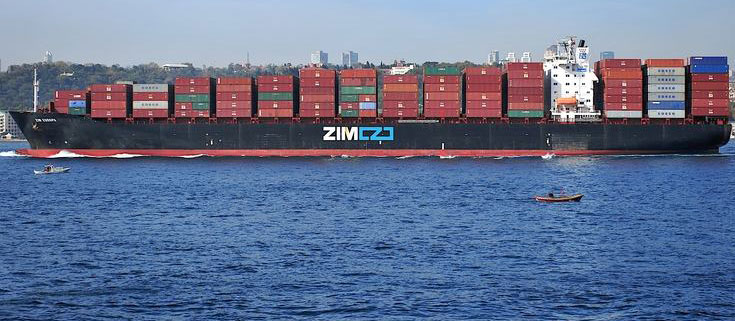

Turkish port authorities have begun informally asking shipping agents to submit written assurances that vessels have no links to Israel and are not carrying military or hazardous cargo bound for the country, two shipping sources told Reuters.
Port officials issued the instruction verbally, with no official circular, and one source said it applies across Turkey. The Transport Ministry did not comment.
The step follows Ankara’s announcement of a suspension of bilateral trade with Israel in May 2024, a flow worth about $7 billion a year at the time, citing conditions in Gaza.
Turkey says the halt covers all imports and exports and that Ankara ties any resumption to a permanent cease-fire and unhindered aid access.
However, through late 2024, reporters and activists documented practices that appeared to cancel the ban’s effect. These included routing shipments through third countries or recording exports as destined for Palestinian territories while cargo moved through Israeli ports. By May 2025 UN data still placed Turkey among Israel’s top suppliers for 2024.
Oil flows drew special scrutiny. An investigation by the Stop Fueling Genocide campaign, covered by Turkish and international media, tracked at least 10 crude shipments from the Ceyhan terminal to Israel during 2024, most after the embargo announcement, with vessels reportedly switching off tracking at sea.
The latest move lands amid an emerging consensus among genocide scholars and a growing number of international voices about describing Israel’s actions in Gaza as genocide.
Turkey has also described Israeli actions as genocide in public statements since late 2023 and moved to join related legal efforts, while keeping economic and logistical channels open until the clampdown announcements in 2024.
The new move to demand letters of assurance target ownership ties and sensitive cargo headed to Israel. Reuters’ sources said ports want agents to certify that owners, managers and operators have no Israel links and that explosives, radioactive materials or military equipment for Israel are not on board.
This comes after months of pressure at home and abroad. Turkish activists staged port protests against Israel-linked shipping in late 2024 and into 2025, calling for real enforcement rather than announcements. International campaigns focused on fuel flows and port access added to that pressure.
Ankara endorsed a set of anti-Israel measures at the July Bogotá Conference on Palestine, co-hosted by Colombia and South Africa. Initially hesitant over maritime legal concerns, Turkey later announced it would fully back a six-point action plan that includes halting military exports to Israel, refusing transit of Israeli weapons through its territory and reviewing procurement rules to exclude Israeli companies tied to the occupation of Palestinian territories. The package also commits Ankara to supporting universal jurisdiction cases and International Criminal Court proceedings on alleged Israeli war crimes.
By aligning with a declaration by the Hague Group, Turkey joined more than a dozen states pledging to enforce legal and diplomatic steps against Israel ahead of the UN General Assembly in September. Turkish officials framed the move as a moral obligation in response to what genocide scholars and rights groups increasingly describe as Israel’s campaign of genocide in Gaza, which has killed tens of thousands of Palestinians, many of them children.