

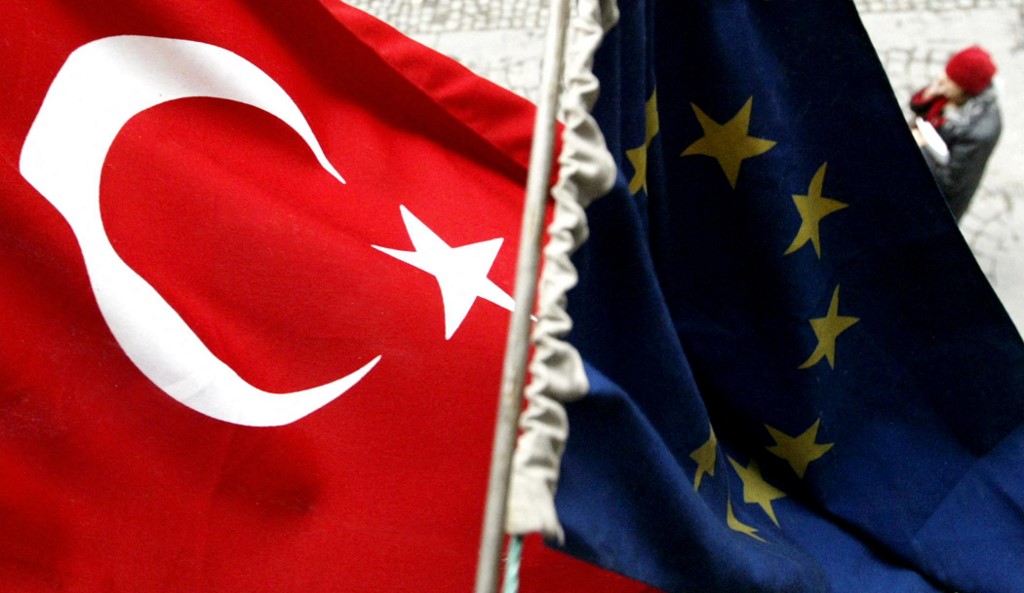

Austrian economist and EU enlargement advocate Gunther Fehlinger-Jahn has called for Turkey to join the European Union by 2034, triggering criticism from Turkish social media users over language that framed the Ottoman conquest of Constantinople as a European “loss” and Turkey’s future EU membership as something to be “won back.”
Fehlinger-Jahn, who chairs the Austrian Committee for NATO Enlargement, made the call in a post on X on May 10, writing, “29 May 1453 changed Europe forever. 29 May 2034 can unite Europe again.”
“We lost Constantinople in 1453. We win Turkey for Europe in 2034,” he wrote. “Not by war. Not by empire. But by democracy, NATO, trade, prosperity and European unity.”
29 May 1453 changed Europe forever.
29 May 2034 can unite Europe again.
We lost Constantinople in 1453.
We win Turkey for Europe in 2034. 🇪🇺🇹🇷
Not by war.
Not by empire.
But by democracy, NATO, trade, prosperity and European unity.
Turkey is already part of Europe in history,… pic.twitter.com/tHMCXFPVZe— Gunther Fehlinger-Jahn (@GunterFehlinger) May 10, 2026
The post was accompanied by a graphic contrasting the phrases “We lost you 1453” and “We win you back 2034,” alongside images of the Hagia Sophia, İstanbul’s skyline, Turkish and EU flags and NATO symbols. The graphic also used the slogans “Constantinople to Istanbul” and “Turkey to Europe.”
The proposal appeared to link May 29, the date of the Ottoman conquest of Constantinople in 1453, to a suggested “EU Day of memory, reconciliation and enlargement.”
The EU’s official Europe Day is marked on May 9, commemorating the 1950 Schuman Declaration, which laid the foundation for European integration.
Fehlinger-Jahn said Turkey was already part of Europe “in history, economy, security and culture” and argued that its full membership would strengthen NATO, Black Sea security, European industry and energy security.
“Europe must think bigger. EU47 by 2034. Turkey in the European Union,” he wrote.
The post attracted criticism on X, particularly from Turkish users who said the wording was patronizing and historically charged. Several objected to the use of “Constantinople” and the framing of Turkey as something Europe had “lost” and should “win back.”
One Turkish user said the idea of bringing Turkey closer to Europe was positive but that the terminology had not been thought through, adding that associating the conquest of İstanbul with a European loss and a future “revenge” was “repulsive” to many Turks.
Another user said Turkey’s path to EU membership had been lost years ago and that younger generations were increasingly interested in a cultural identity distinct from Europe.
Some European users also rejected the proposal, citing Turkey’s population, income gap and cultural and religious differences.
A Greek user said there was “not a chance” Turkey would ever join the bloc, reflecting longstanding opposition in parts of Europe to Turkish EU membership.
Turkey has been an EU candidate country since 1999 and began accession talks in 2005, but the process has been stalled for years due to disputes over Cyprus, democratic backsliding in Turkey and opposition from some EU member states.
The country’s accession talks have been effectively frozen since 2018, when the EU said Turkey was moving further away from the bloc and that no new chapters in the negotiations could be opened or closed.
Fehlinger-Jahn’s remarks came shortly after Turkish President Recep Tayyip Erdoğan said in a Europe Day message that Europe would remain incomplete and less able to manage crises without Turkey.
Erdoğan said Turkey remains an “essential and indispensable” part of Europe’s future as a candidate country for EU membership and argued that the EU’s need for Turkey exceeds Turkey’s need for the bloc.
European officials continue to view Turkey as strategically important for security, migration, defense, energy and regional diplomacy, particularly in relation to Ukraine, the Black Sea, Syria and the eastern Mediterranean.
But many EU governments remain reluctant to revive Ankara’s membership path due to concerns over rule of law, human rights, foreign policy differences and disputes involving Greece and Cyprus.