

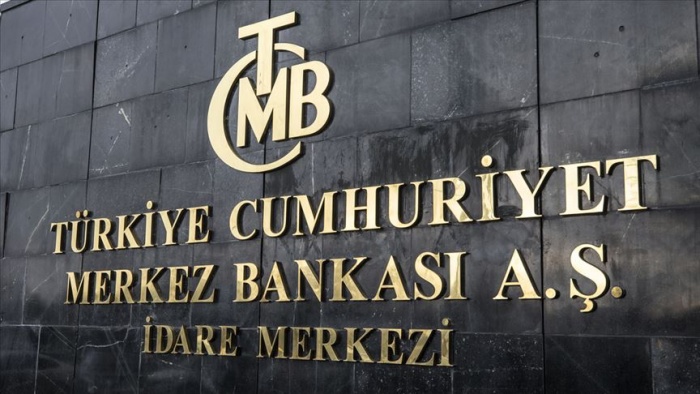

Turkey’s central bank kept its benchmark interest rate unchanged at 37 percent on Thursday, signaling that tight monetary policy remains in place as rising geopolitical risks and higher energy prices cloud the inflation outlook.
The bank also left its overnight lending rate at 40 percent and its overnight borrowing rate at 35.5 percent.
In its statement the Central Bank of the Republic of Turkey said uncertainty had increased because of geopolitical developments and said the underlying trend of inflation was flat in February. The decision marked a break from the easing path that had continued into early 2026, with policymakers opting to pause rather than deliver another cut.
The pause comes as Turkey faces pressure from the regional fallout of the US and Israeli attacks on Iran and the resulting jump in oil prices, a major risk for an economy that depends heavily on energy imports. Analysts had expected the bank to hold rates after the conflict shook markets, weakened room for further easing and raised concern that inflation could prove harder to bring down.
Turkey’s annual inflation rate stood at 31.53 percent in February, while monthly inflation was 2.96 percent. Although inflation has fallen sharply from much higher levels seen in previous years, it remains far above the central bank’s long-term target and continues to shape monetary policy decisions.
The central bank had started cutting rates in late 2024 after a long tightening drive that had pushed the policy rate to 50 percent. That shift had raised expectations of more easing this year, but the latest decision suggests policymakers now see keeping monetary conditions tight as necessary to protect the disinflation process and guard against new price shocks.