


China is set to increase imports of Russian oil by sea in January, taking barrels that previously went to India and Turkey, as tougher Western sanctions push Moscow to reroute exports, according to data and traders cited by Reuters.
China is expected to receive nearly 1.5 million barrels per day of Russian oil this month, up from about 1.1 million barrels per day in December, preliminary data from the London Stock Exchange Group cited by Reuters showed.
Beijing, already a major buyer of crude from Russia’s Far East, also increased imports of Russia’s Urals oil to a record 405,000 barrels per day in January, the highest since mid-2023, data from the energy consultancy Kpler cited by Reuters showed. Urals is Russia’s main export crude grade shipped from western ports.
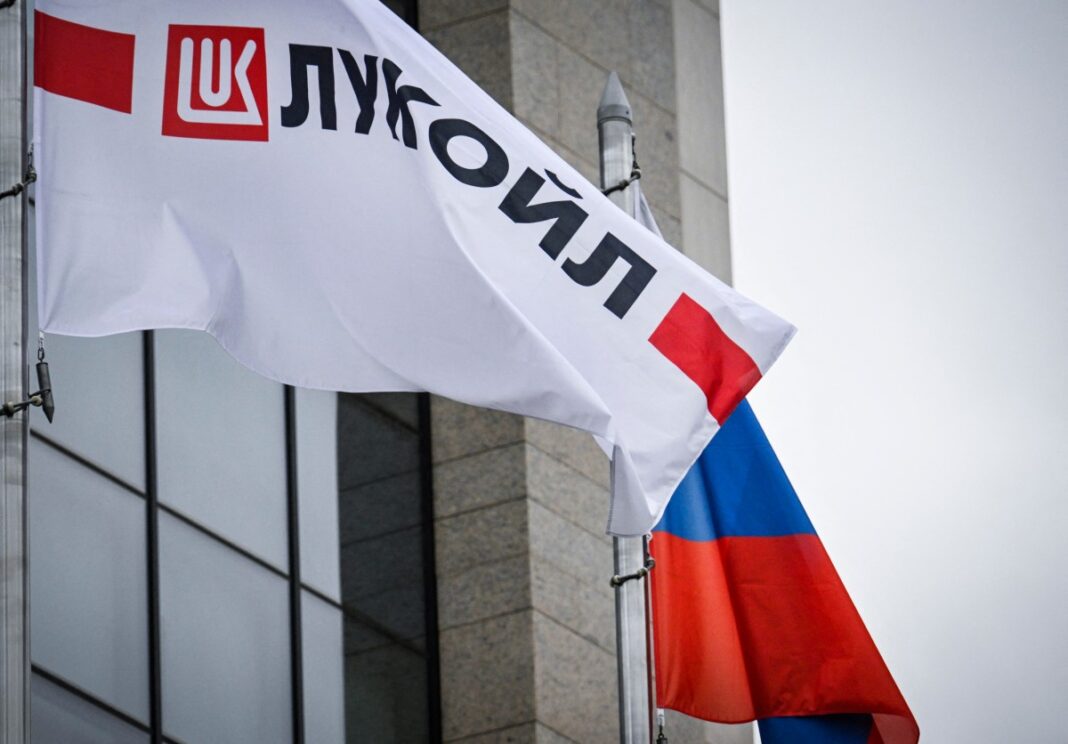
The shift comes after the United States and the European Union imposed new sanctions in late 2025 targeting Russian oil sellers and shipping, including major producers Rosneft and Lukoil. The measures have made transactions harder for some buyers and increased scrutiny of Russian cargoes.
India, which became the largest buyer of Russian Urals shipped by sea after the European Union stopped importing Russian crude in 2022, cut purchases to below 1 million barrels per day in December, down from an average of about 1.3 million barrels per day in 2025, according to London Stock Exchange Group data. Indian refiners are expected to keep imports near 1 million barrels per day in January as they diversify supply.
Turkey also reduced Urals imports in January to about 250,000 barrels per day, compared to an average of about 275,000 barrels per day in 2025 and below a peak of about 400,000 barrels per day reached in June of last year.
“As Indian and Turkish buyers cut purchases recently, some Russian Urals cargoes headed for China,” Reuters quoted a trader involved in Russian oil sales as saying. The trader said the surplus of Urals barrels weighed on prices.
Discounts for Urals delivered to China in late 2025 increased to as much as $12 per barrel below Brent, the global benchmark tracked through ICE Futures Europe, according to two traders cited by Reuters. Current Urals differentials are near minus $10 per barrel to Brent, the traders said.
Traders said demand for Urals in India and Turkey weakened after the European Union banned imports of fuels produced from Russian-origin crude. India and Turkey are major exporters of diesel to Europe, and both countries have relied on cheap Russian crude since the start of the war in Ukraine.