

 has risen by a factor of 63 compared to the period before the party came to power in 2002, according to official data, showing the scale of state asset sales carried out during the party’s more than two decades of rule, the Birgün daily reported on Monday.)
Privatization revenue under Turkey’s ruling Justice and Development Party (AKP) has risen by a factor of 63 compared to the period before the party came to power in 2002, according to official data, showing the scale of state asset sales carried out during the party’s more than two decades of rule, the Birgün daily reported on Monday.
Figures from the Privatization Administration show that total privatization income amounted to just over 3 billion Turkish lira ($70 million) between 1986, when privatization was first implemented in Turkey, and 2002, while revenue between 2003 and 2025 reached 192.6 billion lira ($4.4 billion).
The data show that privatizations under AKP governments have far exceeded those carried out in the previous 16-year period, both in volume and value, as large-scale sales of public enterprises and real estate accelerated.
Sales of public real estate made up only a small fraction of Turkey’s privatization revenue between 1986 and 2002, totaling about 55 million lira ($1.2 million). Under AKP governments, however, the role of public land and property sales expanded sharply, accounting for more than 46.5 billion lira and becoming a central pillar of the privatization drive ($1 billion).
The policy was clearly stated in the early years of AKP rule. Kemal Unakıtan, the party’s first finance minister who died in 2016, said the state would exit economic activity and sell both profitable and loss-making public enterprises, inviting domestic and foreign investors to take part.
Official figures show a sharp spike in asset sales in recent years. In 2025 alone, privatization revenue reached 61.54 billion lira ($1.4 billion), the highest annual figure recorded under AKP rule. Revenue stood at 266.6 million lira ($6.1 million) in 2003, rose to 11.1 billion lira ($257 million) in 2005, reached 7.7 billion lira ($1.7 billion) in 2008 and amounted to 5.4 billion lira ($125 million) in 2012. In later years revenue declined to 2.7 billion lira (62.7 million) in 2017 and 3.9 billion lira ($90.6 million) in 2023 before surging again in 2025.
The scale of privatization has long been a source of political controversy in Turkey. Critics argue that strategic public assets, including land and state-owned enterprises built up over decades, have been sold off rapidly and, in some cases, below their market value, weakening public control over key sectors.
Supporters of the policy have defended privatization as a way to reduce the state’s economic footprint and generate revenue, particularly during periods of fiscal strain.
The latest figures, however, show how dramatically the pace and value of privatizations have expanded during the AKP era compared with earlier governments, making asset sales one of the defining economic policies of President Recep Tayyip Erdoğan’s time in office.
The privatization drive under AKP governments has included the sale or partial sale of some of Turkey’s most prominent state-owned enterprises across key sectors such as energy, heavy industry, telecommunications, finance and transportation.
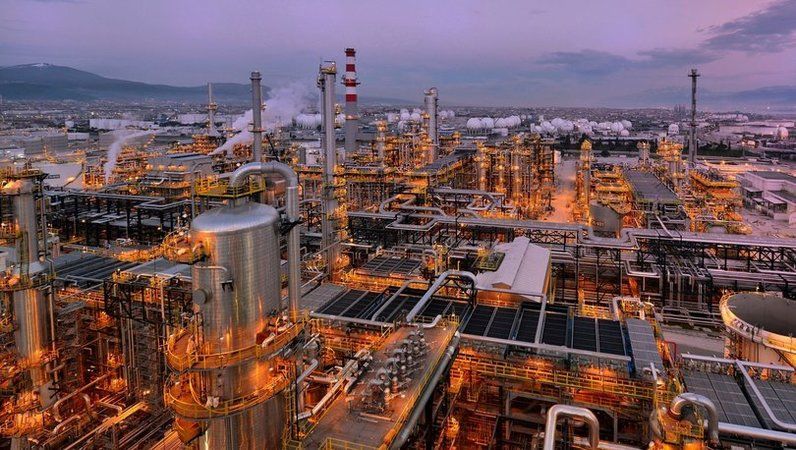
Major assets privatized over the past two decades include TÜPRAŞ, PETKİM, Türk Telekom, TEKEL’s alcoholic beverages division, SEKA paper mills, Sümer Holding, OYAKBANK, parts of Turkish Airlines, Sabiha Gökçen Airport and major ports such as İskenderun and Antalya in southern Turkey.