

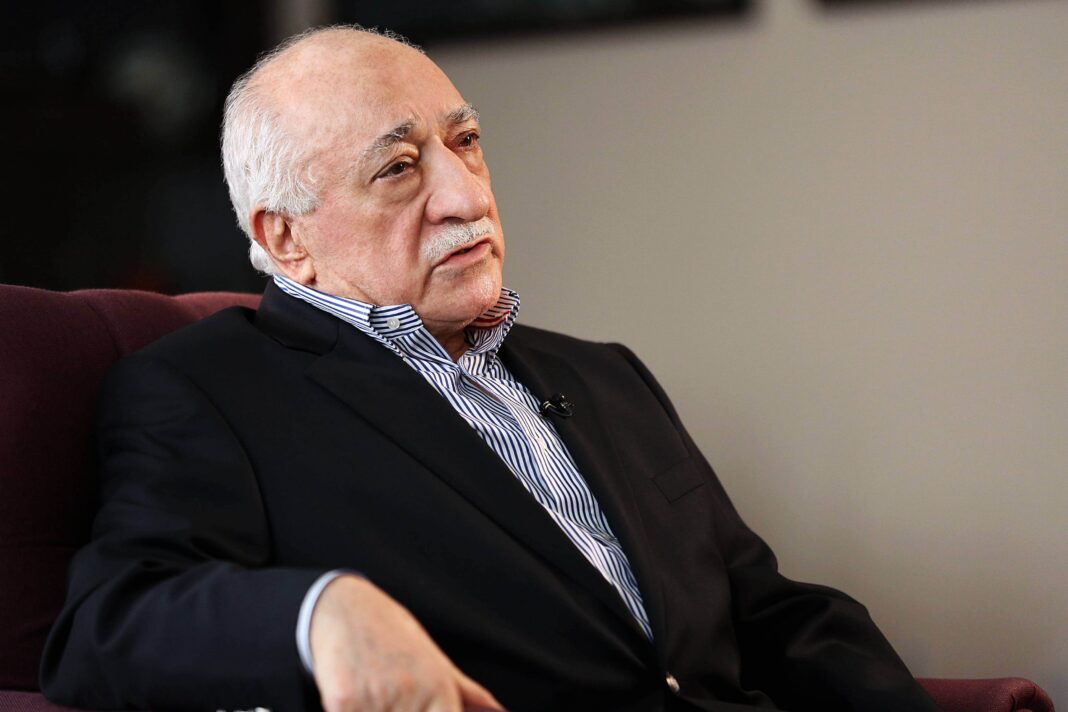

The death of Turkish Islamic scholar Fethullah Gülen in the US last year was officially confirmed through diplomatic channels, according to documents sent from the US State Department to Turkish authorities, the state-run Anadolu news agency reported.
Gülen, whose faith-based movement has been facing a massive government-led crackdown for about a decade, had been living in self-imposed exile in the small town of Saylorsburg, Pennsylvania, since the late 1990s. His death certificate listed October 20, 2024, as the official date of death and confirmed St. Luke’s Monroe Campus as the location. He was 83 years old.
The document, received by Turkey’s Foreign Ministry and relayed to the ministries of Justice and Interior, has resulted in the official registration of Gülen’s death in Turkey’s national civil registry system. Officials also entered the formal note of death in the country’s population records, a bureaucratic step required for concluding legal processes.
Legal proceedings related to his passing are expected to follow standard protocol. While ongoing criminal cases against him in Turkey are likely to be dismissed posthumously, civil compensation claims may proceed, with any financial liability potentially falling to his legal heirs.
According to official records, Gülen’s surviving siblings and legal heirs include Mesih Gülen, Salih Gülen, Kutbettin Gülen and Fazilet Korucuk.
Over the last decade Gülen and his movement, which in the past had been praised by the Turkish government for their activities in education and interreligious and intercultural dialogue, have faced various accusations from the government, including masterminding corruption investigations in 2013 and a coup attempt in July 2016.
The Turkish government labeled Gülen and his movement as “terrorists” in May 2016.
Gülen and his followers have strongly denied any involvement in the coup or any terrorist activity but have been the subject of a harsh crackdown for a decade, which intensified in the aftermath of the abortive putsch.
Following the coup attempt, Turkey repeatedly requested that Gülen be handed over, or that he be prosecuted in the United States. Turkish officials often complained that the United States government did little with what Turkey says was 85 boxes of evidence in support of the case against the preacher that it has handed over.
It turned out that the boxes of evidence Turkey sent to the United States included many clippings from newspapers close to President Recep Tayyip Erdoğan and his ruling Justice and Development Party (AKP) and was not deemed to be evidence by the US authorities.
United States officials have said in the past that US Justice Department agents have devoted hundreds of hours going through the evidence but that it does not meet the standard to secure Gülen’s extradition in an American court.
The failed coup killed 251 people and injured more than a thousand others. After announcing the next morning that the coup had been crushed, the Turkish government immediately began a sweeping purge of military officers, judges, police, teachers and other state employees, ultimately leading to the dismissal of more than 130,000 civil servants and more than 24,000 members of the military.
According to a statement from Justice Minister Yılmaz Tunç ahead of the eighth anniversary of the coup attempt last July, a total of 705,172 people have been investigated since the failed coup on terrorism or coup-related charges due to their alleged links to the movement. Tunç said at the time that there were 13,251 people in prison in pretrial detention or convicted of terrorism in Gülen-linked trials.
These figures are thought to have increased since then since the operations targeting Gülen followers continue unabated. Erdoğan and several government ministers said on many occasions that there would be no “slackening” in the fight against the movement following the cleric’s death.