

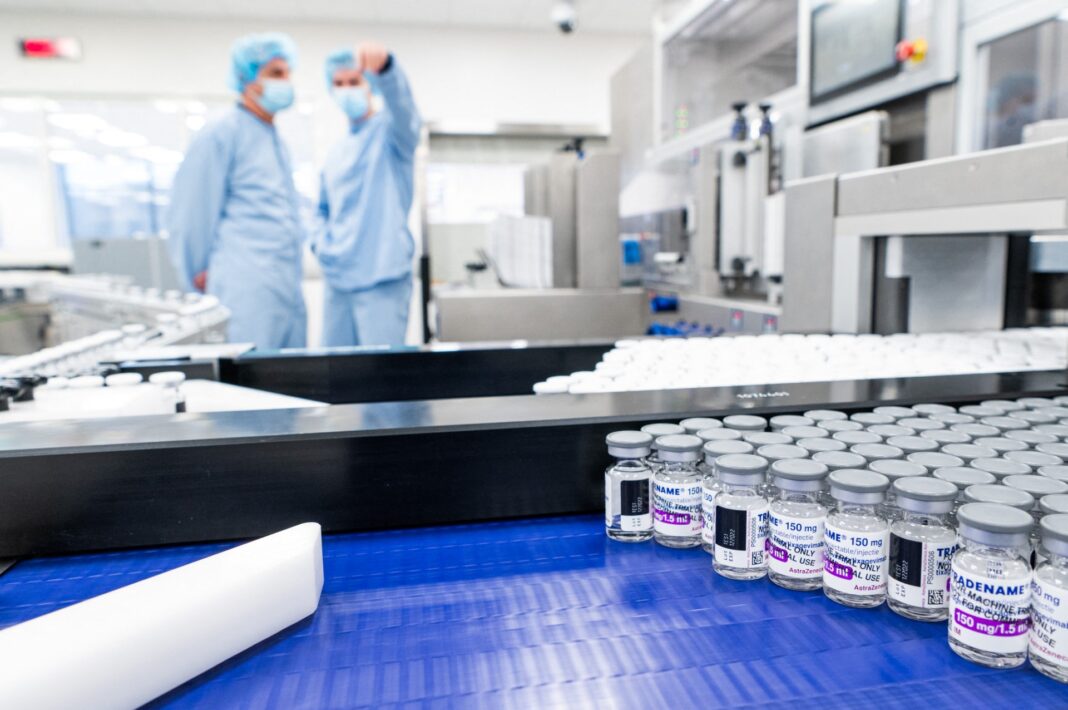

A cancer drug used by tens of thousands of patients in Turkey has been unavailable in pharmacies for several months, raising concerns among doctors and pharmacists that treatment for patients with prostate and breast cancer could be disrupted, according to a special report by BBC’s Turkish service.
The drug, Zoladex, is used in the treatment of prostate and breast cancer as well as conditions such as endometriosis and in assisted reproductive treatments. Pharmacists and doctors cited by BBC said the drug has no equivalent available in Turkey and must be taken regularly to remain effective.
Pharmacists’ groups say the drug is no longer available in warehouses or pharmacies. According to an updated register of approved medicines published on April 24, Turkey’s Health Ministry listed Zoladex as having its license suspended as of November 7, 2025.
A senior source in the health sector told BBC that AstraZeneca, the drug’s manufacturer, had decided to halt sales in Turkey for “commercial reasons.” The company did not directly deny the claim in a written response but said it regularly reviews its product portfolio based on demand, supply dynamics and treatment standards.
“We remain committed to prioritizing patients and maintaining sustainable access,” the company said, adding that it was in contact with local authorities to support continuity of care during any transition.
Turkey’s Pharmaceuticals and Medical Devices Agency (TİTCK), the regulator responsible for ensuring the safety and availability of medicines, did not respond to requests for comment.
Mehmet İrfan Demirci, head of the Turkish Pharmacists’ Association (TEB), said patients had been visiting multiple pharmacies in search of the drug.
“We haven’t been able to find it in warehouses for months,” Demirci said. “This is a public health issue. Treatment continuity must be ensured.”
He added that some pharmaceutical companies consider Turkey’s pricing system unprofitable but said access to essential medicines should not be determined solely by commercial factors.
According to data from TEB cited by BBC, around 30,000 patients in Turkey are estimated to use Zoladex, with approximately 150,000 boxes sold in 2025, down from about 200,000 in 2022.
Patients can still access unlicensed medicines through individual import requests via the pharmacists’ association, but Demirci said the process is lengthy and expensive. It requires a doctor’s report, approval from the Health Ministry and payment based on foreign pricing and exchange rates, along with import costs, making it an impractical option for many patients, he said.
Doctors warn that interruptions in cancer treatment can have serious consequences. Nasır Nesanır, a public health expert from the Turkish Medical Association, said such drugs are critical in controlling hormone-sensitive tumors.
“Treatment interruption can lead to disease progression, more aggressive tumors and lower success rates during treatment,” he said. “It also limits physicians’ ability to apply scientifically appropriate care.”
Turkey sets drug prices using a fixed euro exchange rate that is far below market levels, a policy that has long caused tension with international pharmaceutical companies. The reference rate was set at 29.1164 Turkish lira to the euro as of April 1, following several adjustments since late 2025.
The fixed euro rate used in drug pricing has risen by about 15 percent since December 2025 and by roughly 34 percent since October 2024. Pharmaceutical companies argue the increases are insufficient because the reference rate remains far below the market exchange rate.
Some experts say this has led to the gradual withdrawal of certain drugs from the Turkish market.
Erdal Kart, a pharmacist and TEB delegate, said other medicines have also become harder to find, including treatments for diabetes and heart conditions produced by AstraZeneca. He added that while alternatives exist for some drugs, they may not be covered by Turkey’s social security system, forcing patients to pay out of pocket.
A health sector source cited by BBC claimed that commercial considerations, including global pricing strategies, may have influenced the decision to stop selling Zoladex in Turkey. AstraZeneca did not respond to questions about those claims.
“Access to medicine is not just a market issue but a fundamental health right,” Nesanır said, calling for policies to ensure that essential drugs remain available, especially when no alternatives exist.
The shortage comes amid greater problems in Turkey’s pharmaceutical sector. Pharmacists and industry representatives have long warned that drug shortages have become a recurring problem because of pricing policies and currency volatility, with companies saying the government’s fixed exchange rate system makes some medicines commercially unviable.