


Turkish officials have welcomed a memorandum of understanding between the United States and Iran to end more than 100 days of war, calling it an important step toward peace and stability in the Middle East while warning that the process remains fragile and could still be derailed by provocations.
President Recep Tayyip Erdoğan, Foreign Minister Hakan Fidan and intelligence chief İbrahim Kalın all issued statements welcoming the deal, which was mediated by Pakistan and Qatar and is expected to be formally signed Friday in Geneva.
Their comments expressed both support for the agreement and caution over the difficult negotiations expected to follow.
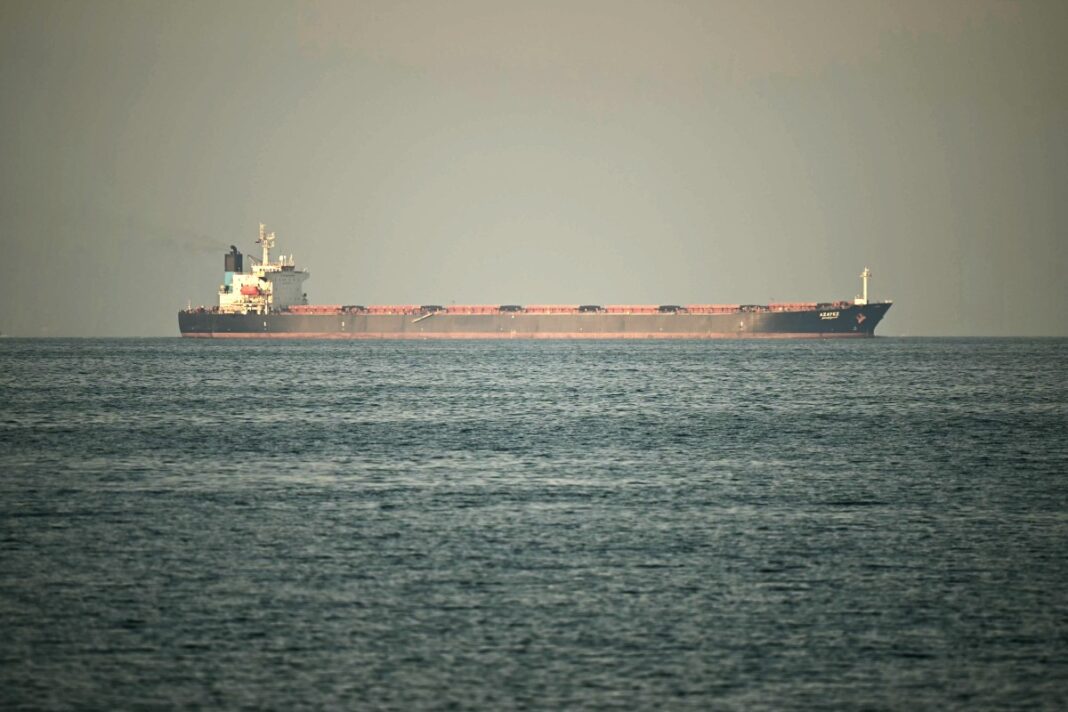
The United States and Iran said they had reached the deal to end the war on all fronts, including Lebanon, and reopen the Strait of Hormuz, a vital route for global oil shipments.
The war, which triggered a global energy crisis, began after the United States and Israel attacked Iran on February 28 while talks over Tehran’s nuclear program were underway.
US and Pakistani officials said the agreement is expected to be signed Friday, although few details have been made public and key questions remain over Tehran’s nuclear program.
Erdoğan said in a post on X that he hoped the agreement would help establish the lasting calm and security that the region and the world had long needed.
The president also warned that the period before the signing would be critical.
“I would like to underline the need to avoid rhetoric, provocations and actions that could escalate tensions until the day the agreement is signed and to remain alert against possible sabotage,” Erdoğan said.
ABD ve İran arasında varılan mutabakatı, bölgemizde sulh-u sükûnun hâkim kılınması adına önemli bir gelişme olarak görüyor, memnuniyetle karşılıyorum.
Tüm dünyanın uzun süredir ihtiyaç duyduğu bu haberin bölgemizde kalıcı huzur ve güven ortamının tesisine vesile olmasını…
— Recep Tayyip Erdoğan (@RTErdogan) June 14, 2026
Erdoğan thanked the US and Iranian leadership for reaching the agreement and praised Pakistan for what he called its exceptional mediation efforts. He also voiced appreciation for diplomatic support from Qatar and Saudi Arabia.
“Turkey will continue to support every effort aimed at establishing peace, stability and calm in our region and to contribute to lasting solutions based on diplomacy and international law,” Erdoğan said.
Fidan also welcomed the agreement, describing it as an important stage in efforts to achieve lasting peace and stability in the region.
“We hope that complementary talks will continue with a constructive approach,” Fidan said.
The foreign minister congratulated the parties to the agreement as well as Pakistan for its mediation role and Qatar and other countries that contributed to the process.
He also warned against attempts to sabotage the deal.
“It is of great importance that all relevant countries act with common sense and responsibility in order to prevent attempts to sabotage the agreement reached and to protect regional peace and security,” Fidan said.
Kalın, the head of Turkey’s National Intelligence Organization (MİT), said the announcement of the agreement had been welcomed but that Ankara remained cautious.
“We are in a period of cautious waiting,” Kalın said. “The coming period will be difficult as the main issues are addressed, discussed and negotiated.”
Kalın also congratulated countries that supported the process, particularly Pakistan and Qatar, and said he hoped the next stage would contribute to the building of peace and the establishment of lasting stability in the Middle East.
The agreement follows weeks of tense negotiations and repeated warnings from US President Donald Trump of renewed hostilities unless Tehran accepted a deal.
Trump said Sunday that the agreement was complete and that the Strait of Hormuz would reopen after the planned signing.
Iranian Deputy Foreign Minister Kazem Gharibabadi said in televised remarks that the agreement would bring an “immediate end” to the war and that the two sides would hold talks within two months to seek a final agreement.
Pakistani Prime Minister Shehbaz Sharif said both sides had declared the “immediate and permanent termination of military operations on all fronts, including in Lebanon,” and thanked Qatar, Saudi Arabia and Turkey for their support in the mediation effort.
The content of the agreement remains unclear.
Iran’s Mehr news agency reported that the United States would release billions of dollars in frozen Iranian assets before the start of negotiations, but Washington has not publicly confirmed the details.
Trump told The New York Times on Sunday that Washington was still negotiating whether Iran would suspend uranium enrichment for 20 years, adding that he might settle for a 15-year suspension.
The announcement was met with relief internationally and in energy markets. Oil prices fell sharply in Tokyo on Monday, while Japan’s Nikkei stock index rose.
The reopening of the Strait of Hormuz is expected to ease pressure on global energy markets after months of disruption that pushed up fuel prices and strained supply chains.