

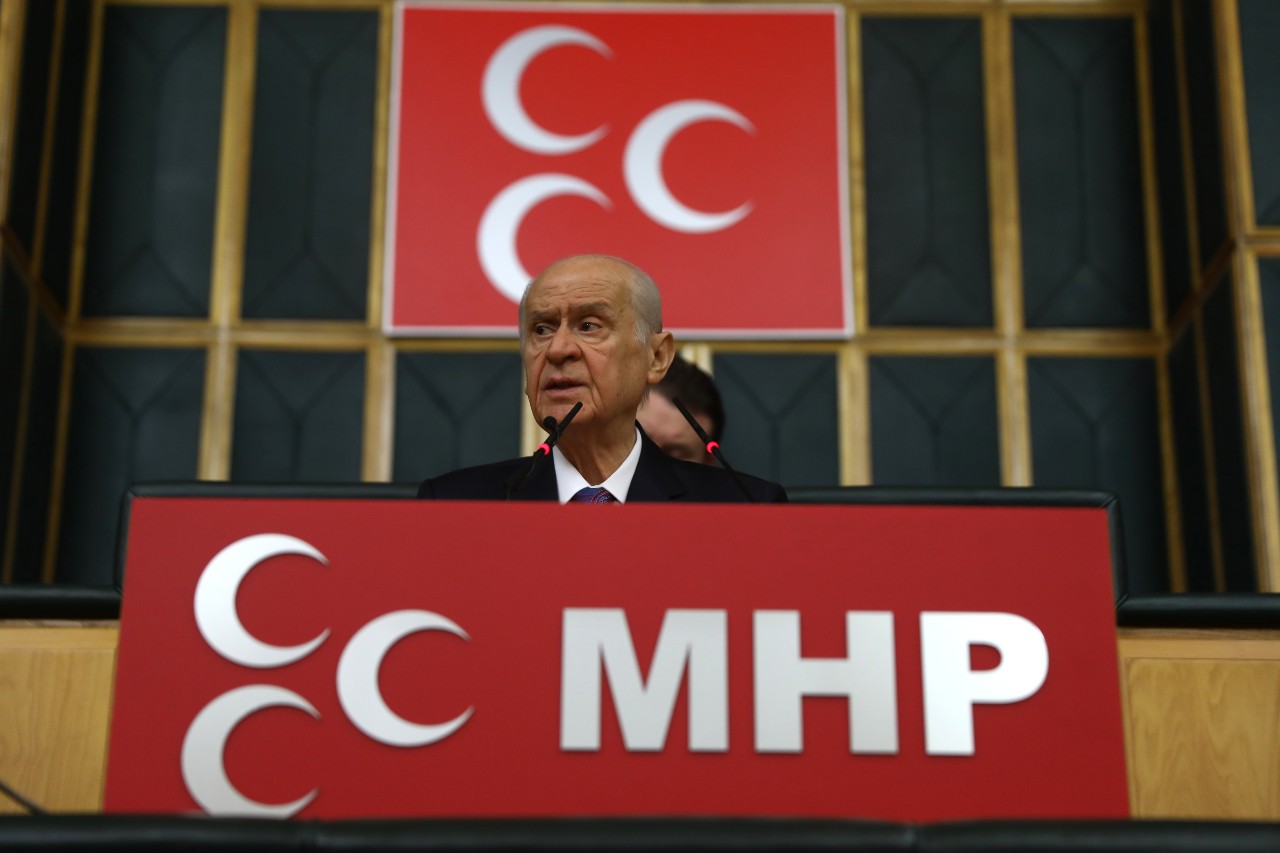
, a key ally of President Recep Tayyip Erdoğan, has submitted a bill to parliament that would sharply raise taxes on foreign digital platforms, saying it aims to boost domestic media outlets.)
Turkey’s far-right Nationalist Movement Party (MHP), a key ally of President Recep Tayyip Erdoğan, has submitted a bill to parliament that would sharply raise taxes on foreign digital platforms, saying it aims to boost domestic media outlets struggling to survive in the country’s shrinking advertising market.
The proposed legislation would increase the digital services tax for foreign companies from 7.5 percent to 12.5 percent while maintaining the current rate for Turkish firms.
MHP Deputy Chairman İsmail Özdemir announced the initiative on X, arguing that foreign digital platforms drain national capital and undermine Turkish media.
“Foreign digital media platforms should pay higher taxes so we can strengthen our national digital media platforms,” Özdemir said, accusing international tech firms of unfairly handling user data and disadvantaging Turkish producers.
The amendment would revise Turkey’s 2019 Digital Services Tax Law (Law No. 7194) to introduce a two-tier system that covers digital advertising, streaming services, online content sales and social media operations.
According to the Treasury and Finance Ministry, Turkey collected nearly 21 billion lira (around $500 million) in digital services tax revenue in 2024. The law exempts companies earning under 20 million lira in Turkey or 750 million euros globally.
Özdemir said the new rate would ensure fairer competition for local companies and attract investment in Turkey’s digital sector. It also complements a previous MHP proposal to restrict advertising spending by public institutions and private businesses on foreign social media platforms.
The initiative follows years of financial strain for Turkey’s traditional media industry, which faces declining revenue and growing dominance by international platforms such as Netflix, YouTube and Spotify. Ankara has introduced several measures in recent years to strengthen state-aligned and domestic media, including requirements for social media companies to maintain local offices and content quotas for streaming services.
The bill will now be examined by parliament’s relevant committee before a general vote. If approved, Turkey would have one of the highest digital services tax rates among major economies.
Turkey already has one of the world’s most restrictive online environments, where authorities routinely block access to social media accounts and digital news outlets under broad “disinformation” and national security laws.
According to Interior Minister Ali Yerlikaya, authorities blocked more than 27,000 social media accounts in the first four months of 2025 as part of what officials describe as efforts to combat “disinformation.”
Rights groups, however, say the sweeping restrictions mainly target journalists, opposition figures and independent outlets critical of the government.
International watchdogs have ranked Turkey among the world’s most repressive environments for online expression, citing vague laws that enable arbitrary content bans and heavy pressure on foreign platforms to comply with government takedown orders.