

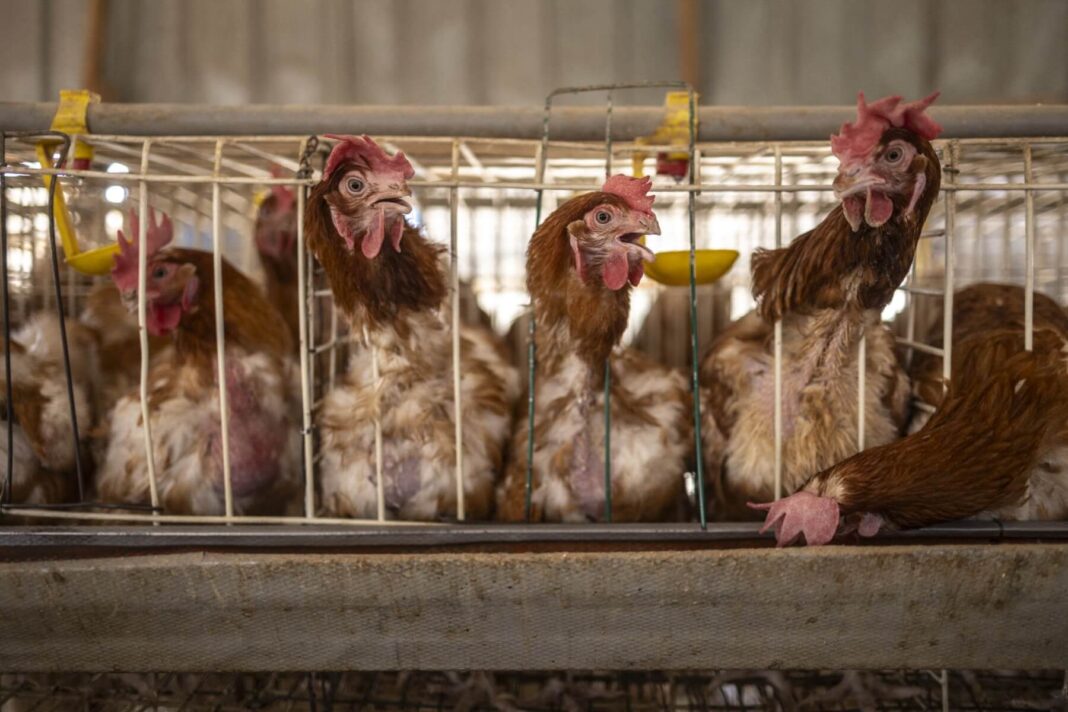

Turkish police detained 32 people on Friday in an investigation into alleged unfair price increases in the poultry sector, while supervisory trustees were appointed to 13 companies including major producers, the DHA news agency reported.
The operation was carried out simultaneously in eight provinces under the coordination of the İstanbul Chief Public Prosecutor’s Office, Justice Minister Akın Gürlek said in a statement on X.
Vatandaşlarımızın temel gıda ürünlerine adil, güvenli ve makul koşullarda ulaşabilmesi ile tüketici haklarının korunması, en hassas olduğumuz konuların başında gelmektedir. Adalet, İçişleri, Ticaret ile Hazine ve Maliye Bakanlıklarımız bu hedef doğrultusunda koordinasyon ve…
— Akın Gürlek (@abakingurlek) June 12, 2026
The investigation concerns allegations that company officials acted together in ways that disrupted the poultry market, drove up prices and harmed consumers, according to statements from the prosecutor’s office and Gürlek.
The companies put under trustee supervision were Banvit, Akpiliç, Bakpiliç, Aspiliç, Bupiliç, Erpiliç, Gedik Pazarlama, Hastavuk, Keskinoğlu, Şenpiliç, Orvital, Aypi and Lezita.
Among those detained were senior executives and company officials, including Banvit CEO Tolga Gündüz, Akpiliç Chairman Mustafa Fahrettin Aksoy, Bakpiliç partner Bahattin Bak, Aspiliç Chairman Galip Yeşilbaş, Orvital Chairman Batuhan Tiryakioğlu and Lezita board member Ergun Abalıoğlu.
The prosecutor’s office said the investigation was launched after public complaints, tips from citizens and allegations concerning the functioning of the poultry market.
The prosecutor’s office said some company officials were suspected of acting together to influence poultry prices, sales and supply in ways that harmed consumers and fair competition.
The investigation is being conducted on accusations of establishing a criminal organization and manipulating prices.
Prosecutors said detentions and search and seizures were carried out in İstanbul, Ankara, Balıkesir, Bolu, Bursa, İzmir, Samsun and Uşak provinces.
Gürlek said the Justice, Interior, Trade and Treasury and Finance ministries were working in coordination on the case, adding that the operation targeted alleged actions that “violated the free competition environment” and directed prices against consumers.
The prosecutor’s office said supervisory trustees were appointed to the 13 companies to ensure that the supply chain for a basic food product is not interrupted and that commercial activities continue in a lawful, transparent and auditable manner.
Under Turkey’s Criminal Procedure Code, courts may appoint trustees to companies if there is strong suspicion that crimes were committed as part of their activities.
In a supervisory trusteeship, company management may continue operating, but some decisions can require trustee approval while the investigation proceeds.
The investigation comes months after Turkey’s Competition Board fined 13 poultry companies a total of 3.7 billion lira over competition violations and ordered regulatory measures for the sector.
The board said several companies, including Keskinoğlu, Lezita and Şenpiliç, had applied for settlement during the antitrust investigation.
Several of the companies being investigated are major industrial players.
For instance, Banvit, one of the few publicly listed poultry companies in the group, reported revenue of 33.4 billion lira ($721.9 million) in 2025, according to filings published on Turkey’s Public Disclosure Platform.
Şenpiliç ranked 47th on the İstanbul Chamber of Industry’s 2024 list of Turkey’s 500 largest industrial enterprises, with production-based sales of about 32.5 billion lira ($702.5 million).
The trustee appointments add to Turkey’s expanding use of court-appointed administrators in criminal and regulatory investigations.
The mechanism, which can allow state-appointed officials to oversee or take control of company management while investigations continue, has become far more prominent since a failed coup in 2016.
In the corporate sector, more than 1,300 companies were taken over in post-coup investigations and transferred to the Savings Deposit Insurance Fund (TMSF).
The TMSF’s own data for January 2025 listed hundreds of companies under full, partial or supervisory trusteeship, while later reports showed the number of companies under the fund’s control rising again to more than 1,000.
The mechanism also spread to local government after 2016, particularly in Kurdish-majority provinces, where elected mayors from pro-Kurdish parties were repeatedly removed and replaced by state-appointed trustees.
Critics say the practice has weakened property rights, democratic representation and legal predictability, while the government says trustee appointments are a lawful tool used in investigations involving terrorism, organized crime, corruption or threats to public order.