


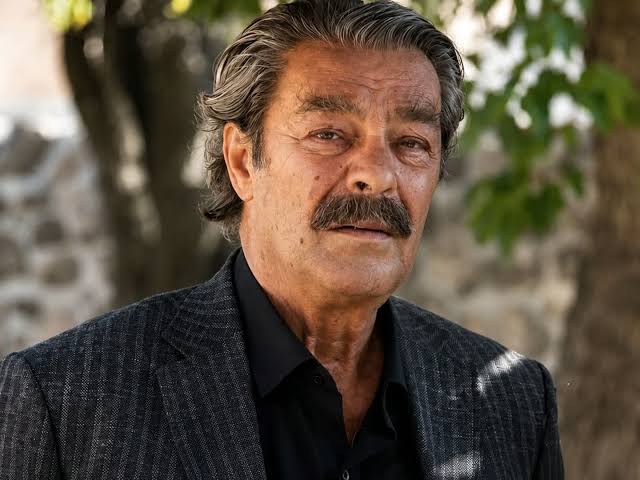
Kadir İnanır, one of Turkey’s most recognizable film actors whose roles in popular melodramas and social realist dramas made him a symbol of Yeşilçam, Turkey’s studio era of mass cinema, died Friday in İstanbul. He was 77.
İnanır had been treated at the Ümraniye Teaching and Research Hospital since May 13 for breathing problems linked to advanced lung cancer and pneumonia, and died at 6:05 p.m. local time of multiple organ failure, Turkey’s state-run Anadolu news agency reported, citing the hospital.
Born on April 15, 1949, in Fatsa, a town in northern Ordu province, İnanır moved to İstanbul for school and graduated from the communications faculty of Marmara University. He entered cinema after competing in magazine talent contests in the late 1960s, a common path for actors of the Yeşilçam era.
Yeşilçam refers to the İstanbul-based film industry that dominated Turkish popular culture from the 1950s through the 1980s. Its films often blended romance, family conflict, poverty and moral choices, and İnanır became one of its defining male faces.
He was best known to generations of viewers for playing men who combined pride, anger and a sense of justice. His role as İlyas in “Selvi Boylum Al Yazmalım,” a 1977 romance starring Türkan Şoray and directed by Atıf Yılmaz, put him in one of Turkey’s most quoted films. Adapted from “The Red Scarf,” a novella by Kyrgyz author Chinghiz Aitmatov, the movie focuses on a woman torn between passion and devotion, and its question of whether love means desire or labor remains part of Turkish popular memory.
İnanır also starred in “Dila Hanım,” “Yılanların Öcü,” “Tatar Ramazan,” “Bodrum Hakimi” and “Medcezir Manzaraları.” His screen partnership with Şoray, known in Turkey as “the sultan” of cinema, became one of the best known pairings in Turkish film history. His awards included best actor prizes for “Utanç” and “Yılanların Öcü,” as well as lifetime achievement honors.
His career also carried him into politics and public debate. In 2013, during talks aimed at ending the conflict between the Turkish government and the outlawed Kurdistan Workers’ Party (PKK), İnanır served on a government backed “Wise People” committee tasked with explaining the process to the public. The talks collapsed in 2015, returning Turkey to years of violence and arrests against Kurdish activists and politicians.
Funeral prayers are scheduled for Sunday at Barbaros Hayrettin Paşa Mosque in İstanbul after a memorial at Harbiye Muhsin Ertuğrul Stage. İnanır will be buried at Ulus Cemetery, according to Anadolu.