


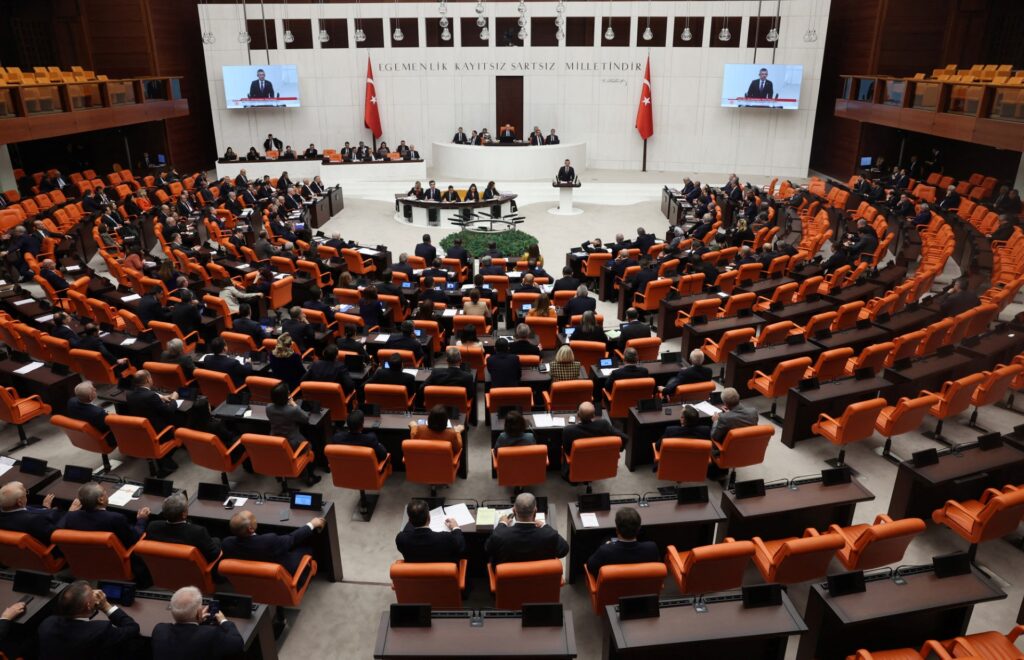
Turkish government ministries failed to answer nearly one-third of written parliamentary questions submitted by lawmakers during the current legislative term, figures obtained by the BirGün daily show.
According to the findings, of 44,154 written questions formally processed between the start of the 28th legislative term on June 2, 2023, and May 12, 2026, only 6,157 received responses within the legally required timeframe. Ministries answered 24,053 questions after the deadline, while 12,742 received no response at all.
The figures mean that only 14 percent of parliamentary questions were answered on time, while nearly 29 percent remained unanswered.
Written parliamentary questions are one of the principal tools lawmakers use to scrutinize government activities and obtain information from state institutions. Under Turkey’s constitution and parliamentary rules, ministries are required to respond within a specified period of time.
Turkey adopted an executive presidential system of governance in 2018 following a constitutional referendum held the previous year. The changes abolished the office of prime minister and transferred executive authority to the presidency.
Among major ministries, the Health Ministry recorded the highest non-response rate, leaving 60 percent of parliamentary questions unanswered. The Ministry of Industry and Technology failed to respond to 53 percent of questions, while the Interior Ministry left 42 percent unanswered, according to parliamentary figures.
The parliament’s speaker’s office said ministries had been urged to provide complete and satisfactory answers that fully address lawmakers’ questions.
According to the parliamentary response obtained by BirGün, ministries sometimes direct lawmakers to publicly available websites that do not contain the requested information, while other replies address only selected portions of questions submitted.
In response to a parliamentary question about missed deadlines, ministries cited administrative burdens and delays in gathering information. The Trade Ministry said the volume of its work and the time required to obtain relevant information occasionally resulted in delayed responses. The Ministry of Defense said it coordinates the collection of relevant information and documents as quickly as possible after receiving parliamentary inquiries.
This article is republished from the Stockholm Center for Freedom.