


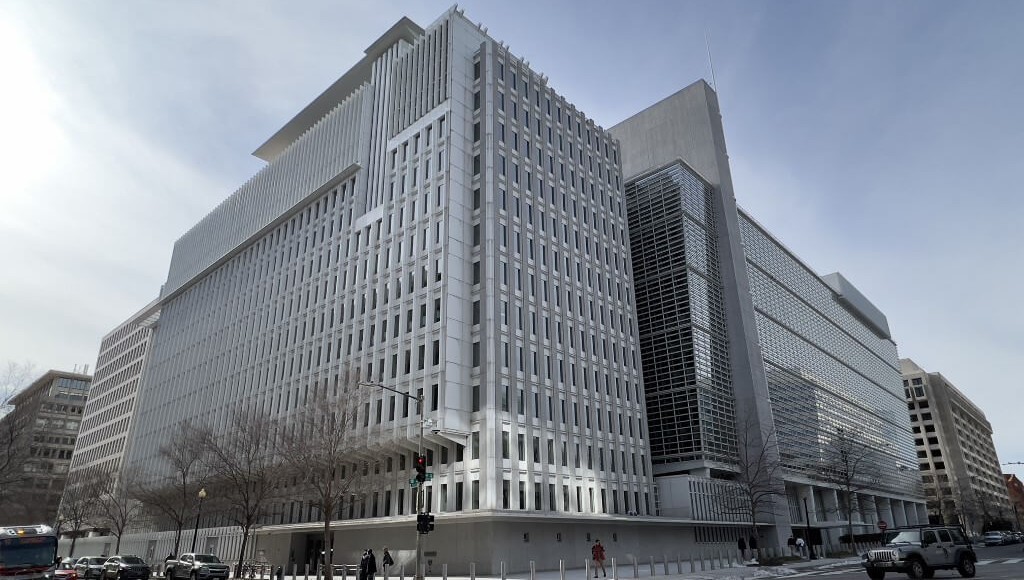
The World Bank on Tuesday approved $2 billion in financing for Turkey’s İstanbul North Rail Crossing Project, a new railway line across the Bosporus that the lender said will strengthen freight and passenger links between Europe and Asia.
The project will fund a 127-kilometer electrified railway line using the rail-ready Yavuz Sultan Selim Bridge in northern İstanbul, creating a new overland rail crossing that bypasses the city center. The World Bank said the loan is part of a broader $6.75 billion financing package being assembled by six multilateral development banks for the project.
Turkish Transport Minister Abdulkadir Uraloğlu said in February that the line is expected to carry 33 million passengers and 30 million tons of freight a year once completed, making it Turkey’s biggest foreign-financed railway project.
The World Bank said the project is meant to ease a rail bottleneck at the Bosporus, where freight traffic now depends largely on the Marmaray tunnel, which was built mainly for passenger trains and allows limited freight use at night. World Bank project documents say that constraint has pushed many shippers to move cargo by truck across the strait, raising costs and congestion.
The lender said the new line will connect İstanbul Airport and Sabiha Gökçen Airport to each other and to the national rail network, while raising rail freight capacity across the Bosporus from about 3 million tons a year to as much as 50 million tons. It said the project will also support Turkey’s role in trade corridors linking the European Union, Central Asia and Iraq.