


A ballistic missile fired from Iran and intercepted as it approached Turkish airspace has revived debate over Turkey’s ability to defend itself against ballistic threats.
Turkey’s defense ministry said the projectile was detected after passing through Iraqi and Syrian airspace and was intercepted by air and missile defense elements deployed in the eastern Mediterranean. The ministry said debris found in Hatay’s Dörtyol district came from the interceptor munition and that no one was killed or injured.
Defense analyst Kozan Erkan told the Cumhuriyet daily that Turkey’s domestically developed air defense systems are effective against aircraft, drones and some cruise missiles but are not designed to intercept ballistic missiles. He said systems such as Siper and Hisar cannot shoot down a ballistic missile launched from Iran and noted the high speed of such weapons.
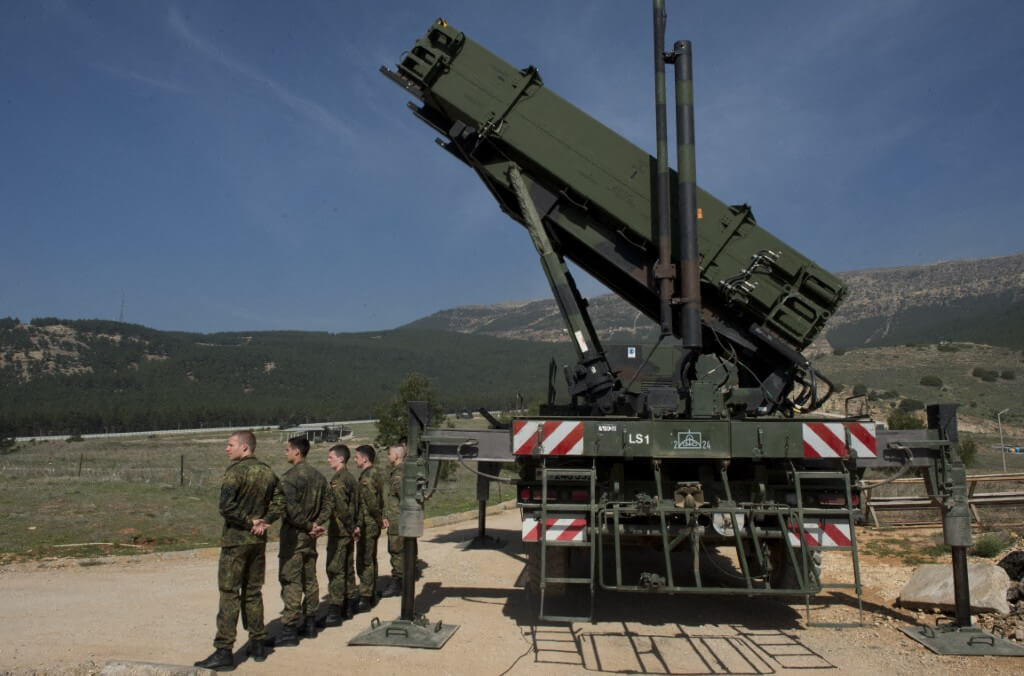
Erkan said protection against ballistic threats currently relies largely on allied deployments, including a Spanish Patriot missile battery at İncirlik Air Base that provides coverage against threats approaching from the southeast.
The incident has also fueled debate in Turkey over the country’s broader air defense architecture and the operational status of the Russian-made S-400 long-range air defense system bought by Ankara in 2019.
Fethi Açıkel, a lawmaker from the main opposition Republican People’s Party (CHP) and a member of NATO’s Parliamentary Assembly, said the missile incident highlighted structural weaknesses in Turkey’s air defense system.
Açıkel said the episode followed several recent incidents involving unidentified aerial objects or suspected drones entering or approaching Turkish airspace, some of which were detected or intercepted by Turkish forces. He said the pattern showed that tensions around Turkey were producing direct consequences for the country’s airspace security.
Açıkel also criticized past strategic decisions that strained Turkey’s defense ties with NATO allies, saying the S-400 purchase led to Ankara’s removal from the F-35 fighter jet program and complicated efforts to modernize Turkey’s F-16 fleet.
Turkey’s layered air defense plans
Turkey has been developing a layered national air defense architecture centered on domestically produced systems such as the Hisar and Siper missile defense platforms.

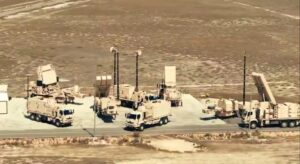
The Hisar family of systems, developed by Turkish defense contractors including Aselsan and Roketsan, is designed to intercept aircraft, helicopters, drones and some cruise missiles at short and medium ranges.
The longer-range Siper system is intended to protect strategic sites such as cities, military bases and critical infrastructure against aircraft and some missile threats.
Ankara has also announced plans to integrate these systems into a nationwide layered air defense architecture known as the Steel Dome, or Çelik Kubbe, which aims to connect sensors, radars and interceptor systems under a unified command structure.
However, analysts say the systems currently deployed or under development are not designed to intercept high-speed ballistic missiles, leaving Turkey reliant on allied missile defense assets against such threats.
Allied missile defense role
Turkey’s Defense Ministry said the munition fired from Iran was intercepted by air and missile defense elements deployed in the eastern Mediterranean. In its public statement the ministry described those elements as NATO assets.
“In less than 10 minutes, NATO service members identified a threat to Allies, confirmed its trajectory, alerted land- and sea-based missile defense systems, and launched an interceptor to defeat the threat,” NATO spokesman Col. Martin O’Donnell said.
NATO Secretary General Mark Rutte said the incident does not currently warrant invoking Article 5 of the North Atlantic Treaty, the alliance’s collective defense clause.
“Nobody’s talking about Article 5,” Rutte told Reuters.
NATO’s integrated missile defense architecture was approved at the alliance’s 2010 Lisbon summit and became operational in 2012, linking radar systems including the early warning radar at Kürecik in eastern Turkey with interceptor systems deployed across allied forces.
Iran has denied targeting Turkey. Turkey said it reserves the right to respond to any hostile acts directed at the country.