


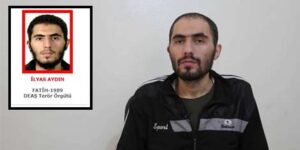
İlyas Aydın, an alleged senior Islamic State in Iraq and the Levant (ISIL) figure known as the group’s “İstanbul emir,” has been transferred from a prison in northern Syria to Iraq, the Kısa Dalga news website reported, citing sources.
Aydın, also known by the code name “Abu Ubayda,” is wanted under an INTERPOL Red Notice and is accused of playing a role in planning major attacks in Turkey, including a bombing in the southeastern town of Suruç that killed 34 activists in 2015.
Turkish authorities have sought his arrest in multiple investigations, including the main ISIL trial and an attack on a police station in İzmir’s Balçova district that claimed the lives of two police officers in September 2025.
Diplomatic sources say Ankara is accelerating efforts to secure the extradition of Turkish nationals held on ISIL-related charges in Iraq following their interrogation by Iraqi authorities.
Under an existing extradition agreement between Turkey and Iraq, Ankara can formally request the return of its citizens for trial.
The transfer of Aydın is part of a broader relocation process that began on January 21 and concluded on February 12, after the Syrian government launched a military operation aimed at regaining control of northeastern Syria from the Syrian Democratic Forces (SDF).
In total, 5,700 ISIL detainees were moved to prisons in Iraq, including 166 Turkish citizens, according to available figures.
Aydın, born in İstanbul in 1989, was captured in Deir ez-Zor by Kurdish-led forces during the collapse of ISIL’s territorial control and held in northern Syria.

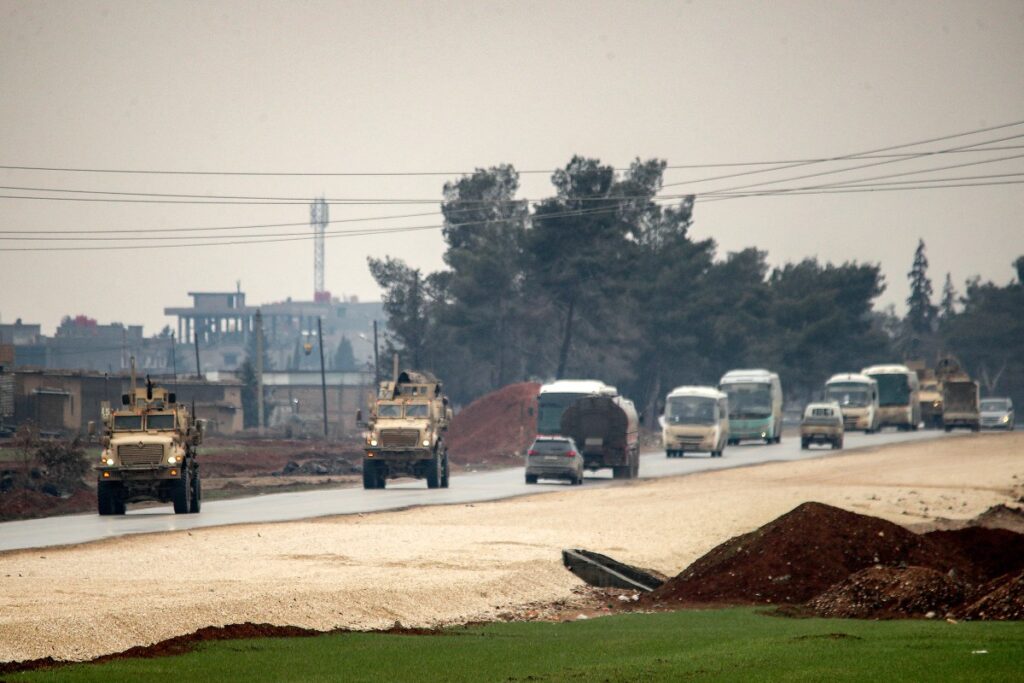
ISIL seized large parts of Iraq and Syria in 2014, carrying out mass killings and abducting women and girls. Iraq declared victory over the group in 2017 with help from the US-led coalition. The SDF later captured the group’s last territorial holdout in Syria in 2019 and went on to detain thousands of suspected fighters and hold tens of thousands of relatives in camps.
In earlier statements following his capture in 2019, Aydın made claims regarding the October 10, 2015, Ankara train station bombing, the biggest terrorist attack in Turkey’s history, which claimed more than 100 lives, as well as the Suruç attack.
Security sources allege that Aydın oversaw ISIL’s Turkey network, coordinated between cells in Turkey and the group’s leadership in Syria and played a role in recruitment and radicalization.
Family members of several other fugitive suspects linked to the 2015 Ankara bombing, including Deniz Büyükçelebi and Edremit Türe, have filed lawsuits in Turkey seeking declarations of presumed death.
Courts have rejected those requests, citing their continued listing as wanted on terrorism charges and the absence of confirmed intelligence indicating they are deceased.
Similar rulings were issued in the case of Oğuzhan Gözlemecioğlu, who was allegedly known within ISIL as the “Tal Afer emir” in Iraq.
Turkish authorities are also seeking 98 ISIL suspects, including İlhami Balı, who is accused of ordering attacks in Diyarbakır, Suruç and Ankara that together killed 142 people.
According to security assessments, some ISIL detainees previously concealed their nationality during detention in Syria, allegedly following internal instructions from the group. Individuals fluent in Arabic or Persian reportedly claimed Syrian or Iranian citizenship, while others declared Afghan nationality.
In Baghdad, interrogations are being conducted under Iraq’s counterterrorism law. An Iraqi lawyer specializing in terrorism cases said suspects convicted under the law face the death penalty, which is the main sentence for ISIL-related offenses. He added that proceedings are confidential and that obtaining information from Iraqi courts is difficult.
Turkey’s ambassador to Iraq, Anıl Bora Erdin, said at a panel discussion in Baghdad over the weekend that Ankara and Baghdad had reached an understanding on the extradition of Turkish ISIL prisoners.
According to Iraqi media reports citing the ambassador, more than 180 Turkish nationals are currently held in Iraqi prisons on ISIL charges, and a meeting is planned in Baghdad next month to finalize the mechanism for their return.
It remains unclear whether Erdin’s remarks referred to detainees recently transferred from northern Syria or to Turkish women and children previously held at facilities such as Rusafa prison in Baghdad.
Meanwhile, Iraqi Foreign Minister Fuad Hussein told US envoy Tom Barrack in a meeting on Monday that Iraq was in talks with other countries on the repatriation of their nationals and had reached an agreement with Turkey, Reuters reported.
In a separate statement to the UN Human Rights Council, Hussein said, “We would call [on] the states across the world to recover their citizens who’ve been involved in terrorist acts so that they [can] be tried in their countries of origin.”
Baghdad has said it will try suspects on terrorism charges in its own legal system, but it has also repeatedly called on other countries to take back their citizens from among the detainees.