


Turkey’s Foreign Ministry spokesperson Öncü Keçeli rejected descriptions of “occupation” and “invasion” used in speeches about Cyprus at an event on January 7 marking the Republic of Cyprus taking over the rotating presidency of the Council of the European Union.
Keçeli wrote on X that the terms do not match “historical and current realities” on the island and accused European Union officials of ignoring Turkish Cypriots.
Cyprus began its presidency of the council on January 1 and will hold the role through June, chairing many meetings and helping set the bloc’s agenda.
At the opening ceremony in Nicosia, Cyprus President Nikos Christodoulides referred to the city as “Europe’s last occupied capital,” language Turkey disputes.
Turkey’s government often refers to the Republic of Cyprus as the “Greek Cypriot Administration of Southern Cyprus,” a term not used by the European Union, which recognizes the Republic of Cyprus as the island’s sole internationally recognized government and a member state.
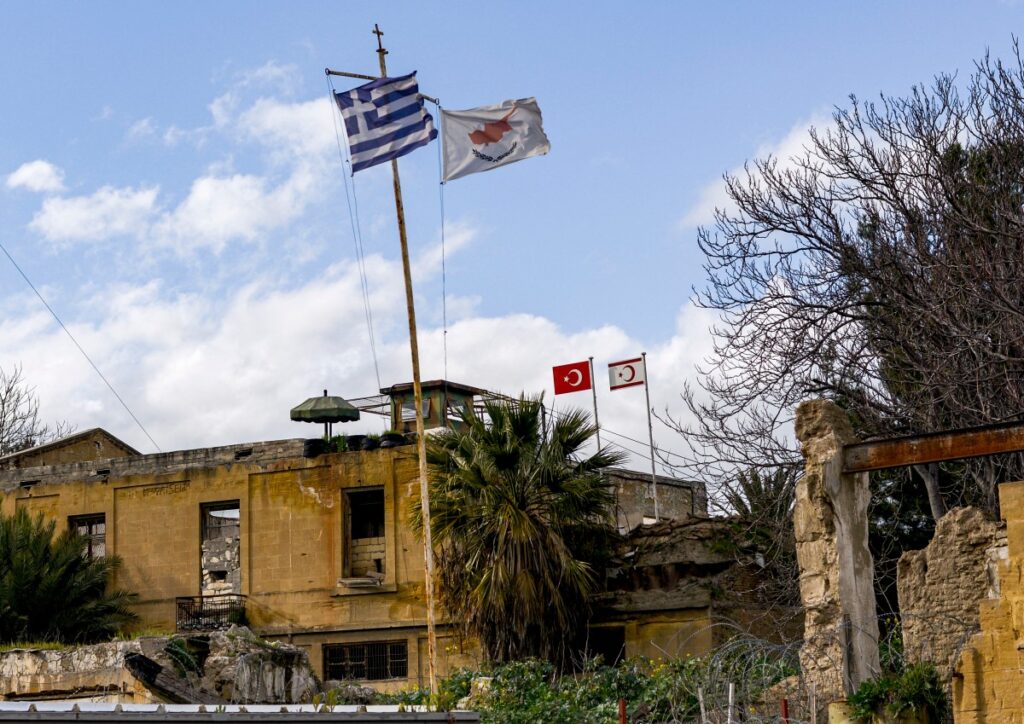
The island has been divided since 1974, when Turkey sent troops after a coup backed by Greece’s military junta. A United Nations backed buffer zone separates the Turkish Cypriot north from the Greek Cypriot south.
Keçeli argued that the only “occupation” on Cyprus began in 1963, when he said the Greek Cypriot side violated the island’s constitution and pushed Turkish Cypriots out of the power-sharing state.
He also accused the Greek Cypriot side of using the European Union presidency to promote what he called a one-sided narrative on Cyprus and said that showed why the bloc cannot act as a neutral party in efforts to resolve the dispute.