


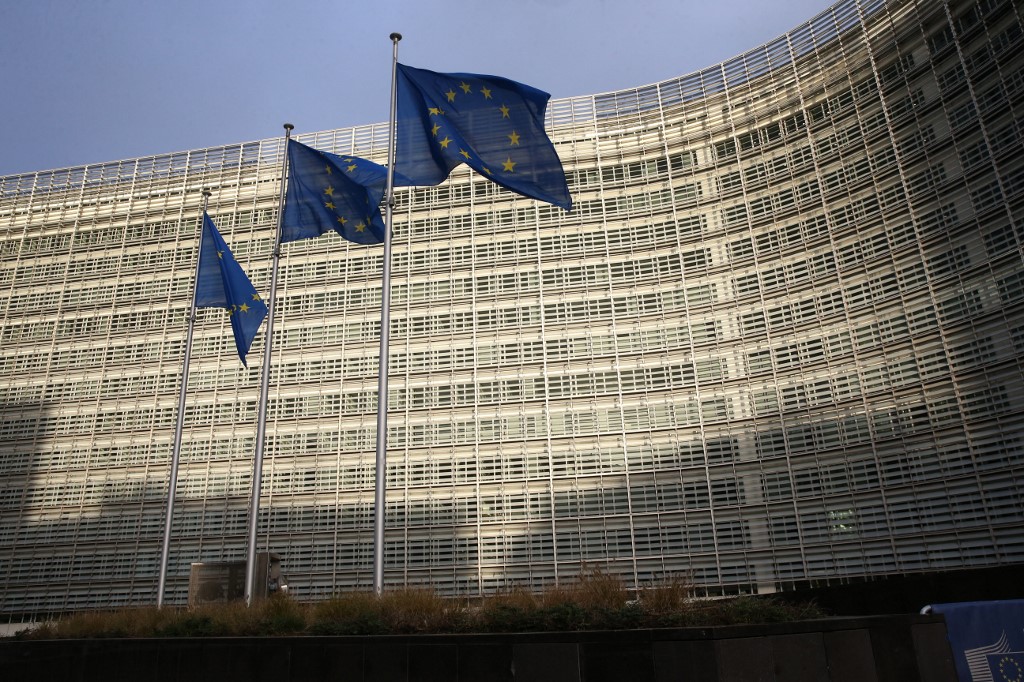
Ankara called the European Commission’s criticism of Turkey’s judiciary and human rights record in its 2025 report on the country’s progress toward European Union membership “biased, prejudiced and baseless.”
The Turkish Foreign Ministry said the findings, released on Tuesday, were incompatible with efforts to build a “positive agenda” with the EU and ran counter to the long-term interests of both sides.
In the statement Ankara said it categorically rejected what it called “biased, prejudiced and baseless allegations” and described the report as politically motivated.
The European Commission’s annual progress report is part of the EU’s monitoring of candidate countries’ alignment with the bloc’s laws and democratic standards.
In its 2025 edition the commission said Turkey remained in the early stages of aligning with EU standards on the judiciary, corruption and fundamental rights, reporting “no progress” in most of these areas.
It warned that political pressure on the courts and prosecutors continued, that high-profile rulings of Turkey’s Constitutional Court were not implemented and that the country still refused to comply with binding judgments of the European Court of Human Rights (ECtHR).
The report said the human rights situation had deteriorated further over the past year, pointing to the continued imprisonment of journalists, human rights defenders, opposition politicians and lawyers under counterterrorism laws that are broadly interpreted by Turkish courts.
It also criticized restrictions on freedom of expression and the media, citing online censorship, content takedown orders and the dominance of pro-government outlets.
The European Commission said these problems blocked progress in other areas of Turkey’s EU accession process, including talks to modernize the 1995 customs union agreement that governs trade between Turkey and the bloc.
Despite the harsh tone on democratic standards, the report credited the government for improvements in Turkey’s economic management and said the country had reached an advanced level of readiness for a functioning market economy.
It also noted what it called a “constructive approach” by Ankara in the eastern Mediterranean and its recent improvement in relations with Greece, a long-time rival and fellow NATO member.
The Turkish Foreign Ministry welcomed those positive remarks and said they reflected “accurate findings” about the country’s economic stability and foreign policy efforts.
Ankara also urged the EU to lift restrictive conclusions adopted in 2019 that froze certain high-level meetings and funding, calling for Turkey’s involvement in European defense and security programs.
In the same statement, Turkey accused the European Union of siding with Greece and the Greek Cypriot administration in the Cyprus dispute, calling the report’s references to those issues “unrealistic, unlawful and maximalist.”
The ministry said the EU must act impartially and stop letting bilateral issues “take [the broader relationship] hostage.”
Turkey’s EU accession process has been effectively frozen for years due to concerns over democratic backsliding, press freedom and the rule of law.
Ankara says it still views full EU membership as a strategic goal but blames what it calls political obstacles within the bloc for blocking progress.